
Your Private Home Search Site
When the Quiet Matters Most
February has a way of slowing things down in Northeast Ohio. The lake is frozen, the days are still, and on the surface, everything feels paused. But beneath that quiet, important decisions are being made.
This month’s HomeTown is a myth-busting issue. In our feature article, The Cost of Waiting, I explore why trying to time the market—whether you’re buying or selling—often works against you, and why preparation matters far more than perfect timing.
You’ll also find market insight, updates on upcoming Coffee Confessions and our February webinar, and—one of our readers’ favorites—lender insider tips on recent interest rate movement and what potential drops could mean for buyers and sellers this year. Be sure to read all the way through to And Finally…, a personal reflection on time and why making it our ally matters more than we realize.
The market may feel sleepy right now. For those who are prepared, that’s exactly when opportunity appears.

— Scott Carpenter
The Carpenter Group 🏡🏬

The Cost of Waiting Out the Cold: Why Timing the Market Rarely Works
By Scott Carpenter, The Carpenter Group

The housing market reflects that same quiet. It’s sleepy. But for savvy buyers and sellers, that low whistle of cold wind isn’t a warning—it’s opportunity.
And yet, every winter I hear the same refrain across Northeast Ohio—and especially here in my hometown of Lakewood: “We’re just going to wait a little longer.” It sounds sensible. But year after year, I see how waiting—particularly the attempt to perfectly time the market—slowly but surely erodes opportunity. The cost of inaction in real estate rarely announces itself. It reveals itself later, when leverage has shifted and decisions that once felt optional suddenly feel rushed and powerless.
For buyers who are renting, the decision to wait is often framed as a rent-versus-own calculation. Yet rents across Northeast Ohio have remained stubbornly high, even as many expected relief. Home prices, despite rate fluctuations, continue to follow their longer-term upward trajectory. Each month spent renting instead of owning is a month with no equity gained, no appreciation captured, and no protection from rising housing costs. Buyers who paused a year or two ago often find themselves paying more today for homes they once passed on—sometimes with monthly payments that don’t look dramatically different once rent increases are factored in.
Lost equity is the quietest cost of all. It doesn’t feel urgent in the moment, but it compounds quickly. When we compare buyers who moved forward with those who waited, the difference is clear. One built flexibility and financial momentum. The other chased a moving target. Waiting rarely preserves buying power the way people hope it will.
Much of this hesitation is driven by interest rate fixation. Rates matter, but they aren’t the whole story. Most buyers don’t live in the same home or keep the same loan forever. They refinance. They move. Life evolves. What they can’t do later is reclaim appreciation they missed or lock in a purchase price that has already moved higher. Timing rates while ignoring the lifetime cost of waiting often leads buyers to sit out precisely when opportunity is quietly presenting itself.
Sellers fall into a similar trap. One of our current Lakewood clients—a lakefront condo owner—had been in touch with us for months. His assumption was that because his move isn’t planned until late summer or early fall of 2026, there was no reason to act at the end of January or beginning of February. In reality, the timing was critical. To sell smoothly and move comfortably on his schedule, the planning needed to start now.
By bringing the property to market while winter still has a firm grip on the region, we’re positioning it in front of the most serious and qualified buyers. Let’s be honest—when the lake is frozen and snow is falling, the only people out touring homes are motivated, prepared, and financially ready. That’s exactly who you want walking through your front door. Starting early gives us control, flexibility, and a clean path to closing at the right moment for his move.
Buyers face similar risks when they try to time the market, especially if they have a home to sell. In a crowded spring or summer market, offers with contingencies are naturally less competitive. That doesn’t mean they can’t succeed—but it does mean preparation and timing matter far more than optimism. Right now, while the market is still quiet, buyers who are pre-approved and paired with a clear plan to sell their existing home are in a much stronger position.
We’re currently working with a client who needs to sell one property while purchasing another, and we’re coordinating both transactions so the closings occur on the same day—ideally at the same table, in the same title office, within minutes of each other. We recently completed a similar scenario with a buyer who purchased a lakefront condo while selling his Cleveland home. Both transactions will close in one sitting, eliminating unnecessary stress and risk. That level of coordination only happens when planning starts early, not when competition forces your hand.
As winter slowly begins to loosen its grip, familiar year-over-year patterns are emerging. February has historically marked the beginning of renewed momentum in Northeast Ohio. Inventory starts to rise modestly. Serious buyers re-enter before the crowds arrive. Sellers who list ahead of the spring rush often benefit from clearer demand and stronger positioning. This year, those signals are appearing even more clearly.
That’s the myth worth busting this month: timing the market—whether you’re buying or selling—rarely delivers the advantage people expect. Preparation does. The advantage comes from understanding your options, coordinating the steps, and acting with intention while others are waiting for perfect conditions.
We’ll be unpacking all of this in greater depth at our upcoming Coffee Confessions gatherings and during our February Home Buying and Selling Webinar, joined by trusted partners Todd Liguzinski of American Pacific Mortgage and Janelle Keifer of Ohio Real Title, along with special guests to be announced. These conversations are designed to replace timing anxiety with real-world strategy.
For now, as Lake Erie remains frozen and the market stays quiet, the opportunity is clear. When it’s this wintry, only the serious are paying attention. And for buyers and sellers who are ready, that’s exactly when advantage is created.

Price Trends to Watch
Lakewood
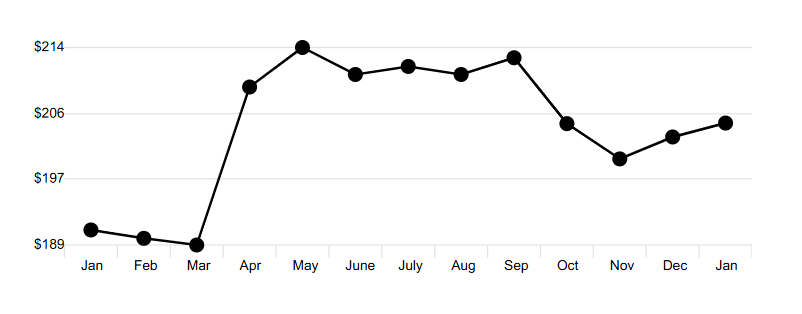
Lakewood has 1.52 months of inventory, down 21% month over month and 18% year over year. Median active list price is $274,900; median sold price decreased 13% month over month to $266,250. New pending listings average 38 days; sold listings decreased 27% month over month to 16 days.
The Impact: Lower inventory and faster sales make timing critical for buyers and sellers. Falling sold prices may offer negotiation opportunities, while active listings remain competitively priced.
Action Plan: Assess your buying and selling priorities. Strategize listing and purchase timing. Monitor inventory and days on market to adjust quickly.
Shaker Heights
Shaker Heights has 1.06 months of inventory, down 27% month over month and 35% year over year. Median sold price is $270,000, down 22% month over month. Median days on market are 71 for pending listings and 41 for sold listings, up 5% month over month.
The Impact: Low inventory requires careful timing for transactions. Falling prices may give buyers more leverage.
Action Plan: Evaluate listing and purchase timing. Price strategically. Stay informed on market trends.
Cleveland Heights
Cleveland Heights has 1.35 months of inventory, down 24% month over month and 63% year over year. Median sold price is $253,000, down 7% month over month. Median days on market are 27, down 16% month over month.
The Impact: Tight inventory and faster sales require coordinated timing. Limited supply increases competition.
Action Plan: Plan buying and selling strategies carefully. Price competitively. Work with an expert to navigate transactions.
Cuyahoga County
Cuyahoga County has 1.71 months of inventory, down 18% month over month and 11% year over year. Median sold price is $217,697, down 1% month over month. Median days on market increased to 20, up 25% month over month.
The Impact: Reduced inventory makes timing crucial. Sellers face less competition, while buyers must act fast.
Action Plan: Align selling and buying schedules. Price competitively. Move quickly on purchases.
Lorain County
Lorain County has 1.62 months of inventory, down 12% month over month and 7% year over year. Median sold price is $254,000, down 8% month over month. Median days on market are 22, up 38% month over month.
The Impact: Lower inventory and rising days on market affect timing for buyers and sellers. Sellers may face less competition, buyers need to act quickly.
Action Plan: Assess your timeline. Price listings competitively. Monitor inventory and days on market to adjust strategy.

Whether buying or selling, your credit score and common mistakes can make a huge difference. Here are quick tips to boost your score and avoid home selling pitfalls.
“TIPS FOR HOME BUYERS”
“TIPS FOR HOME SELLERS”

Credit Score Home Tips
Pay bills on time
Lower credit card balances
Avoid new credit inquiries
Keep old accounts open
Check credit report errors

Top Home Selling Mistakes
Overpricing scares away buyers
Neglecting home repairs hurts sale
Poor photos reduce interest
Ignoring curb appeal matters
Being inflexible on showings

What the Recent Drop in Interest Rates Means for Home Buyers and Sellers
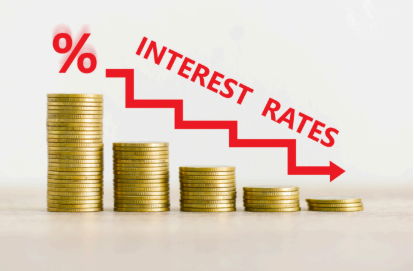
You may have seen headlines about lower interest rates. The real question is what this means for you if you’re buying, selling, or doing both. Rate changes affect buyers and sellers differently, and understanding the opportunities can help you make smarter decisions.
Lower rates reduce borrowing costs and often lead to:
Increased buyer confidence
More buyers entering the market
Improved affordability even if prices stay the same
This combination usually boosts market activity, creating momentum rather than an overnight shift.
What This Means for Home Buyers
Lower rates can reopen doors that felt closed:
Qualify for a higher price without raising monthly payments
Compete more comfortably for homes
Structure financing strategically for the future
Many paused buyers, including first-time and move-up buyers, may re-enter the market. Success comes from knowing what you can afford today, comparing rates to long-term plans, and planning for future rate changes.
Lower rates bring more qualified buyers, which can lead to:
Increased showings
More serious offers
Reduced buyer hesitation
While it doesn’t guarantee instant sales, well-priced, well-presented homes stand out when demand rises.
If you’re selling and buying, lower rates can:
Offset the cost difference between homes
Make higher-priced payments manageable
Improve the overall math of moving
Focus on the full picture—sale proceeds, new loan terms, and long-term affordability—rather than chasing the lowest rate.
Rates move in cycles. Small drops can create short windows of opportunity. The best outcomes come from those who:
Understand their numbers and options
Work with professionals focused on strategy, not just transactions
A rate drop is positive for buyers and sellers, but clarity beats rushing. Buyers gain affordability and options; sellers gain renewed demand and confidence. Take the time to understand your situation, ask questions, and build a plan that fits your goals—not just today’s headlines.
Matt Panigutti is a Loan Originator with American Pacific Mortgage. You may contact him directly by phone 📞(216) 366-8202 or by email 📧mpanigutti@apmortgage.com.

Sometime

Illustration: Twilight of Man, by Rockwell Kent, 1926
Lately, I’ve been thinking a lot about time—how quietly it moves, how easily it slips past us, and how often we don’t notice what we’ve lost until it’s already gone.
I’m 63 years old. And if I’m being honest, I sometimes catch myself wondering how much time I’ve wasted. Time I meant to use better. Time I thought I’d get back later. Time I assumed would still be there when I was finally ready.
I can’t be the only one who feels that way.
We all do this in our own way. We tell ourselves we’ll start soon. We’ll make the call next month. We’ll have the conversation when things slow down. We’ll take the trip, make the move, or change direction when the timing feels right. And then one day, we realize the timing never announces itself. It just passes.
What I’ve learned—both in life and in real estate—is that when we lose time, we lose far more than minutes and months. We lose opportunities. We lose momentum. We lose the ability to shape outcomes on our own terms.
There’s a quote attributed to Krishnamurti that I come back to often: “The ability to observe without evaluating is the highest form of intelligence.” Once we truly observe how we use our time—without excuses or judgment—we begin to see where it’s been working for us, and where it hasn’t.
The good news is this: time doesn’t have to be our enemy.
We can stop replaying what we should have done and start focusing on what we can do now. We can decide that preparation beats procrastination. That intention matters more than perfect timing. That waiting isn’t the same thing as being ready.
That’s true whether you’re thinking about your next move, your family, your career, or your next chapter. And it’s especially true in real estate. The people who do best aren’t the ones who time things perfectly—they’re the ones who make time their ally.
So if this winter has you feeling reflective, you’re not alone. Let’s acknowledge the time that’s passed, be present, and get to work on being ready. There’s still time ahead—and it’s far more enjoyable when we choose to actually do something with it.
And finally...
“Life is long, if you know how to use it.”
— Seneca, Roman Stoic philosopher, statesman, and writer