

This month’s HomeTown starts with a story that stayed with me.
It’s about a closing that didn’t go as planned—where timing shifted, the numbers changed, and life stepped in along the way. But it’s also about what held it together and what it took to get through it.
From there, we shift into what’s happening right now across Northeast Ohio—quick-moving markets, tight inventory, and why timing and coordination matter more than ever depending on where you’re buying or selling.
In our Events section you'll find a handful of local events worth getting out for, and details on our next Coffee Confessions and upcoming webinar.
We’ve also included insights from our preferred lender on how real estate builds long-term wealth—and why strategy matters as much as timing.
And in And Finally…, I come back to that story—and what it reminded me about how things don’t always go as planned, and how people move forward anyway.

You Never Know What Might Happen
By Scott Carpenter, The Carpenter Group
Last month, we closed a difficult deal. It didn’t go the way anyone expected—but it ended the way it needed to.

By the time the sellers reached me, they had already been through quite a bit. Their plan had been to wait things out—to give the market time, to let conditions improve, to try and come out the other side in a stronger position. Waiting out the market also gave them time to get the house ready. But somewhere along the way, life happened, and challenges started piling up at home and in their lives.
What I stepped into wasn’t just a home sale. It was everything surrounding it.
There were health issues. Family complications. And before I was even involved, they had already been hit with something else—a tree had fallen on the house. That alone would have been enough for most people.
But it didn’t stop there.
Fortunately, they found a contractor—honestly, a saint—who stepped in and helped them through it. He handled the repairs from the damage, came back again when more issues surfaced, replaced the furnace, fixed frozen and broken water lines, and kept things moving when it would have been easy to walk away. And through all of it, he waited patiently to be paid until the house sold.
You don’t forget people like that.
Once we got the house under contract with a buyer and began working through the process, financial details surfaced. A forbearance balance showed up that had been forgotten about. Numbers that once felt okay started to look dismal. The outcome they had been hoping for slowly began to feel more like a loss.
Nevertheless, we kept moving forward.
There wasn’t really another option.
What I remember most isn’t any single moment—it’s the conversations along the way. Not just about the house, but about everything else. About where they had been, what they had done, and how different things looked now compared to even a few years ago.
At one point, we talked about his career. He had spent years in the film industry, working as an editor, traveling, living in different places, building a life that looked completely different from where things had landed.
And then, suddenly, health became the priority. Daily life became smaller, more immediate. Decisions weren’t about what came next professionally—they were about what made the most sense right now.
By the time we got to the closing table, the numbers weren’t what they had once imagined. Not even close.
But the feeling in the room wasn’t disappointment.
It was something else—relief, maybe.
The kind that comes when something that has been hanging over you for a long time is finally behind you.
One of them said, in a very matter-of-fact way, that it could have been worse. Much worse. That they could have lost everything and still been left owing money. Instead, they were done with it.
That was enough.
There was also a moment we laughed about.
At some point during the process, she had buried a small statue of Saint Joseph in the yard—a tradition meant to help a home sell. When she went back to dig it up after closing, it was gone. Completely gone. No marker, no sign of where it had been.
We joked about it for a minute. Of course, we tried to come up with explanations. But it felt like one of those things you don’t really need to understand.
You can plan. You can prepare. You can do everything you think you’re supposed to do. And still… things don’t always go the way you expect.
When I think back on that closing, that’s what stays with me.
Not the numbers. Not the negotiations. Just the sense that sometimes the goal is to get through it, rather than to get something out of it.
And eventually, you get to the other side and find that the relief you feel was all you ever needed.

Move Fast or Miss Out
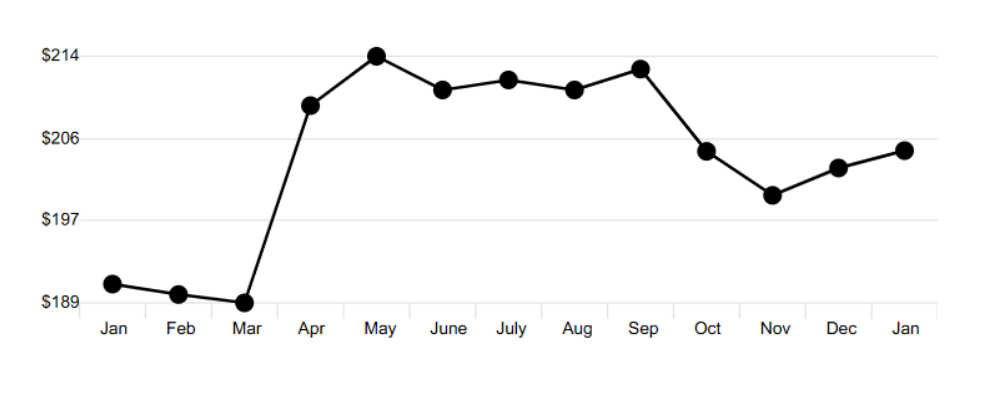
Lakewood
Lakewood has 1.73 months of inventory, up 11% month over month. Median sold price is $328,166, up 31% month over month. Median days on market are 14, down 64% month over month.
The Impact: Market timing coordination is crucial with fast-moving homes. Increased inventory gives buyers more options while sellers still face competitive conditions.
Action Plan: Monitor listing prices. Act quickly on opportunities. Coordinate buying and selling timelines closely with your agent.
Shaker Heights
Shaker Heights has 1.21 months of inventory, down 9% month over month and 22% year over year. Median sold price is $725,000, up 56% month over month. Median days on market are 58, down 18% month over month.
The Impact: Low inventory requires careful timing for transactions. Rising prices give sellers more leverage, while buyers must move quickly.
Action Plan: Monitor listings closely. Price strategically. Plan ahead for shorter days on market.
Cleveland Heights
Cleveland Heights has 0.86 months of inventory, up 5% month over month and down 75% year over year. Median sold price is $253,950. Median days on market are 25, down 38% month over month.
The Impact: Tight inventory and rapid sales require precise timing. Competitive offers are crucial in this market.
Action Plan: Strategize timing for buying and selling simultaneously. Evaluate pricing to stay competitive. Monitor inventory trends.
Cuyahoga County
Cuyahoga County has 1.59 months of inventory, down 8% month over month and 9% year over year. Median sold price is $217,250, up 4% month over month. Median days on market are 28, unchanged from last month.
The Impact: Reduced inventory makes timing crucial. Sellers face less competition, while buyers must act quickly.
Action Plan: Align buying and selling schedules. Price competitively. Stay informed to move quickly on purchases.
Lorain County
Lorain County has 1.46 months of inventory, down 13% month over month and up 10% year over year. Median sold price is $232,155, down 7% month over month. Median days on market are 30, up 20% month over month.
The Impact: Lower inventory and shifting prices affect timing for buyers and sellers. Sellers may face less competition, buyers need to act quickly.
Action Plan: Assess your timeline. Price listings competitively. Monitor inventory and days on market to adjust strategy.

Whether buying or selling, preparation makes all the difference. Here are quick tips to make smarter offers and get the most from your home sale.
“TIPS FOR HOME SELLERS”
“TIPS FOR HOME BUYERS”

How To Offer Smartly
Know your budget first
Research comparable home sales
Get pre-approved early
Offer flexible closing terms
Show genuine buyer interest

Open House Success Tips
Clean thoroughly before visitors arrive
Declutter rooms, maximize space
Brighten home with natural light
Highlight key selling features
Provide easy-to-read property info

Building Wealth Through Real Estate in Northeast Ohio

When people think about building wealth, they often focus on stocks or retirement accounts. But for many families—especially in Northeast Ohio—real estate remains one of the most consistent and impactful ways to grow long-term financial stability.
Homeownership goes beyond having a place to live. It becomes a financial tool that builds equity, creates opportunity, and supports long-term net worth growth in ways renting simply cannot.
Why Real Estate Builds Wealth
There are two key drivers behind real estate’s long-term value:
• Equity Through Ownership
Each mortgage payment reduces your loan balance, increasing your ownership over time. Instead of paying a landlord, you’re investing in an asset that can later be used to upgrade homes, fund improvements, or support other financial goals.
• Equity Through Appreciation
Home values tend to rise over time as demand, population, and development grow. While markets shift short term, long-term homeowners often benefit from steady appreciation—amplifying the equity they’ve built.
Why Northeast Ohio Is Well Positioned
One of the region’s biggest advantages is its balance of affordability and stability.
• Affordable Entry Points
Lower home prices allow buyers to enter the market sooner, giving them more time to build equity and benefit from appreciation.
• Strong Economic Foundations
Healthcare, education, manufacturing, and local businesses support job stability and consistent housing demand.
• Healthy Rental Demand
Many homeowners have the opportunity to convert their first home into a rental, creating additional income and long-term portfolio growth.
The First Home Is Just the Beginning
For most buyers, their first home isn’t the end goal—it’s the starting point.
Over time, homeowners often:
• Use equity to upgrade into a better home
• Renovate to increase property value
• Convert their home into a rental property
• Leverage equity for other financial opportunities
These steps, when done strategically, can compound into significant wealth over time.
Why Financing Strategy Matters
A mortgage is more than just an interest rate—it’s a long-term financial tool.
The right structure can help you:
• Keep payments manageable
• Maintain financial flexibility
• Position yourself for future purchases
• Maximize long-term equity growth
Focusing only on rates can cause buyers to miss bigger opportunities down the road.
The Power of Time in Real Estate
One of the most important principles in real estate is simple:
Time in the market matters more than timing the market.
Waiting for the “perfect” moment often leads to missed opportunities. Meanwhile, homeowners who enter the market and stay in it benefit from:
• Gradual equity growth
• Community development
• Long-term property appreciation
Over time, these factors can significantly change a household’s financial position.
What This Means for You
Whether you’re buying or already own a home, understanding your options is key.
Buyers can benefit from entering the market earlier with a clear strategy.
Homeowners may have more equity than they realize—creating opportunities to upgrade, invest, or strengthen their financial position.
Real estate continues to be one of the most reliable paths to long-term wealth. In Northeast Ohio, the combination of affordability, stability, and demand makes homeownership an especially strong financial move.
The key is having a plan—and understanding how today’s decisions can create tomorrow’s opportunities.
Matt Panigutti is a Loan Originator with American Pacific Mortgage. You may contact him directly by phone 📞(216) 366-8202 or by email 📧mpanigutti@apmortgage.com.

Cash+ Home Sale
A cash offer that never leaves money on the table.
Finally... a cash offer that gives the upside of the market.
Our cash offer gives you your cash today, with the upside of the market tomorrow. Get your Cash Offer+ NOW!

Compass Studio
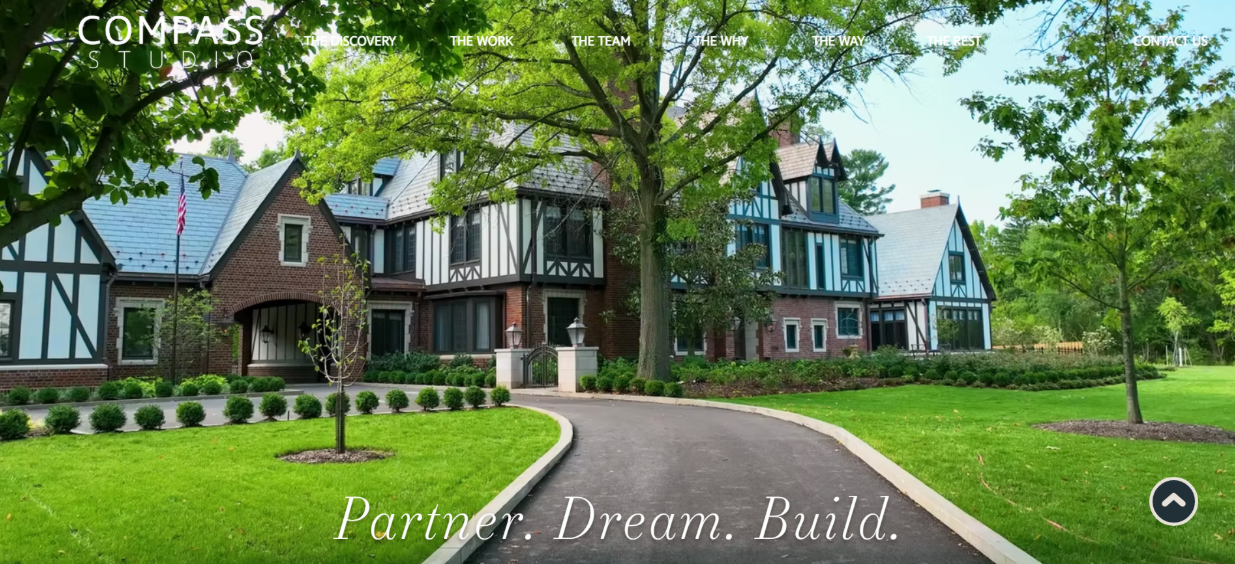
Integrity. Quality. Legacy
A legacy of integrity and quality passed from father to sons continues to shape the foundation of Compass Studio.
Compass Studio is a family-owned business known for delivering excellence in residential design and construction. With a strong commitment to client needs from concept to completion, the team guides each project through a seamless and distinctive experience—defined by personalized design, thoughtful execution, and high-quality craftsmanship.


At the top of this newsletter, I shared the story of the couple we helped last month—the one where the sale didn’t go as planned, where the numbers changed, and where life kept adding new challenges along the way.
That was one of those moments that didn’t feel like regular business.
It felt like being a part of something much bigger, much more important, and much more impactful.
I keep thinking about everything they had been through before we ever got to the closing table—the health challenges, the financial surprises, the tree that fell on the house, and the contractor who stepped in, did the work, and waited patiently to be paid until the sale went through.
And I think about the way they handled it.
They just kept moving forward.
Because they had to.
And that’s what stays with me. Sometimes life doesn’t follow the plan you had in mind. Sometimes it replaces it entirely. And some people carry more than others. That’s just the truth.
But what I’ve seen, over and over again, is that people adjust. They rethink things. They find a way forward—even when it looks nothing like what they expected.
Sometimes that means making a new plan. Sometimes it means having a backup plan… and then another one after that.
And sometimes, it simply means recognizing what can be changed—and what can’t—and finding a way to accept that.
There’s strength in that.
Not in getting everything right. Not in things going according to plan. But in continuing forward anyway.
And every once in a while, in the middle of all of it, you’re reminded that there are still people who show up—people who help, who stay, who do what they said they would do.
In this case, it was a homeowner who refused to give up… and a contractor who refused to walk away.
And finally, that was enough to get them through it.


