There's so much work to do once you decide to list your home for sale. From decluttering and deep cleaning to minor fixes and a fresh coat of paint, you must focus on presenting your home in the best possible light to attract buyers. But have you considered the influence your neighbors have on property value?
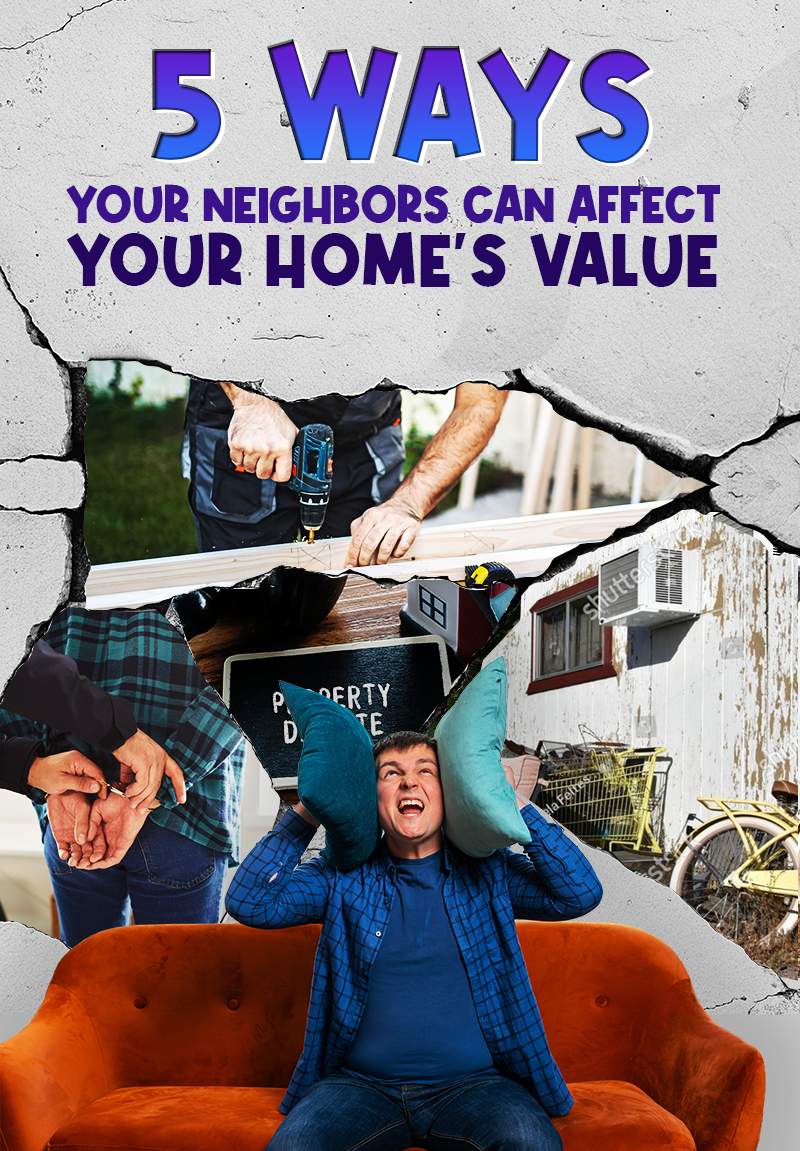
What You Can Control — And What You Can't
Prepping your home for sale takes real effort. You declutter, deep clean, touch up paint, and stage every room to make a strong first impression. But no matter how polished your home looks, what's happening next door can work against you. Understanding how neighbor behavior affects property values gives you a clearer picture of what you're walking into — and how to address it before you list.
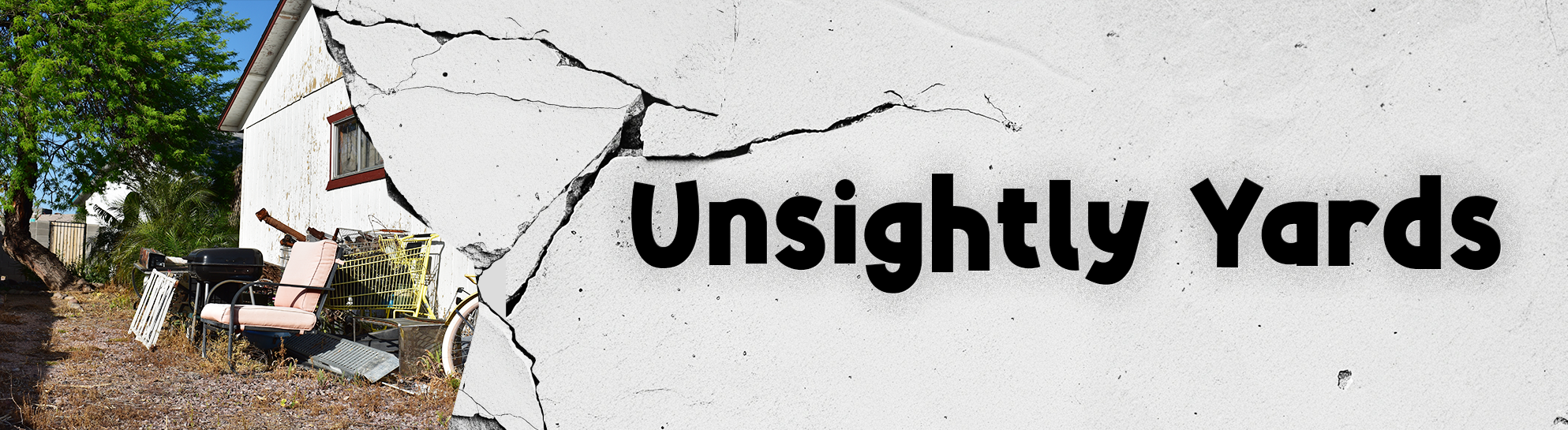
A neglected neighboring yard is not only a dealbreaker to prospective buyers but can also impact the value of your home.
Curb Appeal Is a Block-Wide Effort
When buyers drive through a neighborhood before or after a showing, they're not just evaluating your home — they're evaluating the street. A well-kept block with trimmed lawns, tidy exteriors, and no visible clutter signals a neighborhood people want to live in. When a neighboring property is poorly maintained — overgrown grass, junk piled outside, peeling paint — it pulls the entire streetscape down with it. Studies suggest that neglected neighboring properties can reduce your home's value by up to 20 percent, regardless of the condition of your own home.
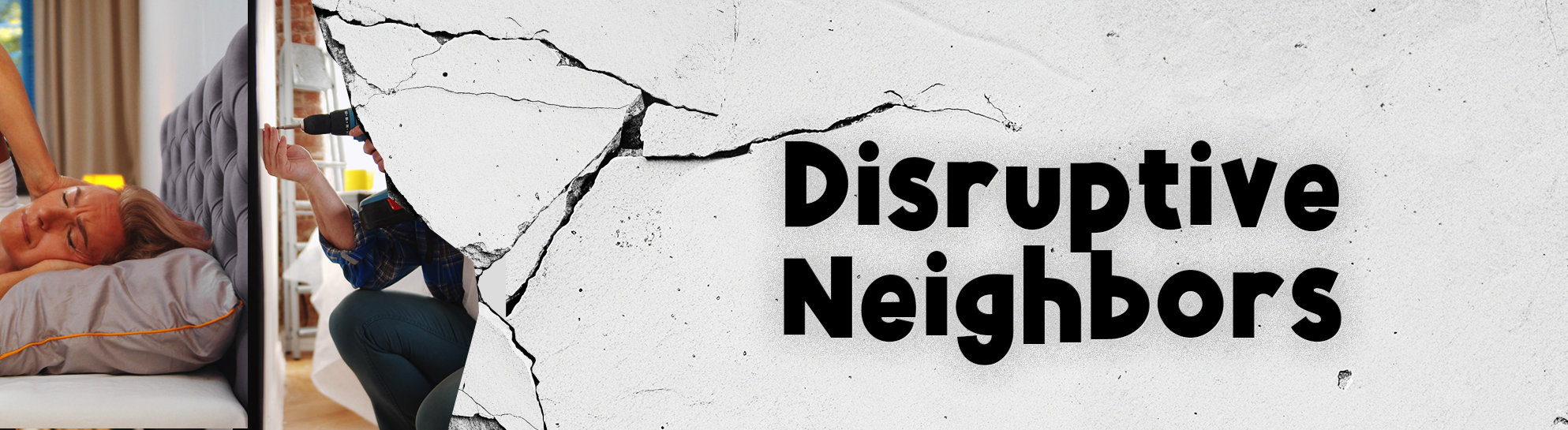
Noisy neighbors are just as likely to scare off potential home buyers as the messy ones.
Noise and Neighbor Behavior Send Signals to Buyers
First impressions aren't only visual. Buyers who spend time in the neighborhood — walking the block, sitting in their car, visiting more than once — pick up on atmosphere quickly. Frequent loud parties, constantly barking dogs, or a general lack of consideration for community standards can make your home feel less like a sanctuary and more like a headache. Appraisal experts note that living adjacent to disruptive neighbors can lower home values by 5 to 10 percent. Savvy buyers do their homework, and a tense or noisy block can raise concerns that no amount of staging can overcome.
According to appraisal experts, living near a bad neighbor can lower home values by more than 5 to 10 percent. These issues might not be immediately apparent during an open house or the first few showings, but they can become a huge concern for savvy buyers who spend time in the neighborhood and do their research.
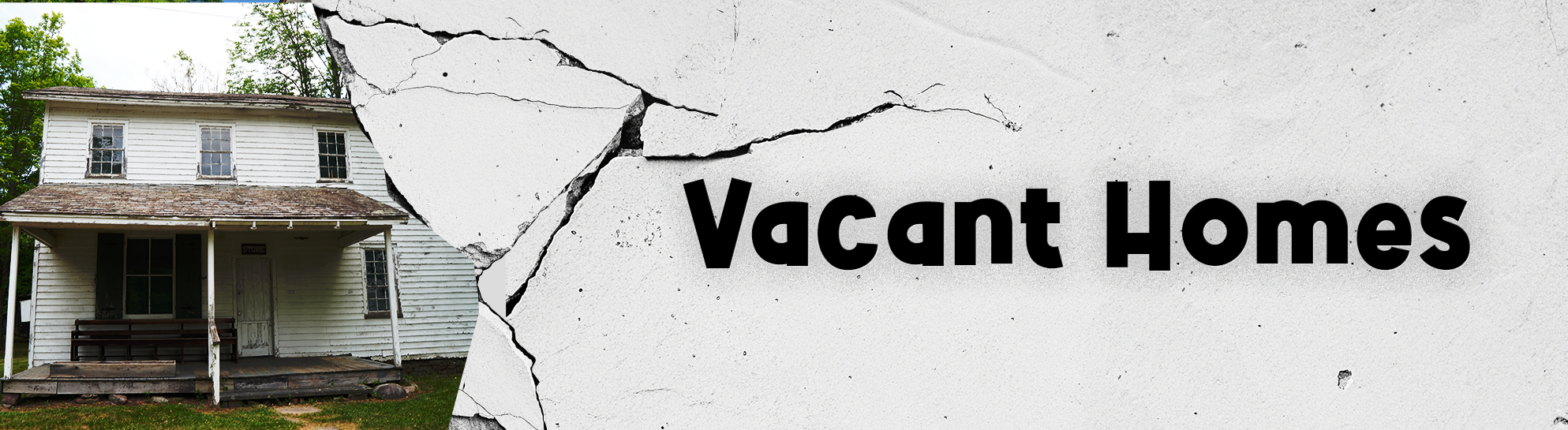
Vacant properties are eyesores that can significantly reduce the property values of neighboring homes.
Vacant and Abandoned Properties Are a Red Flag
An abandoned home nearby isn't just an eyesore — it can create real problems that buyers notice. Unmowed lawns and visible deterioration are the obvious issues, but vacant properties can also attract pests and rodents that spread to neighboring homes. They can become targets for vandalism and trespassing. When buyers see vacancy on a block, it raises questions about neighborhood stability that can be difficult to answer during a showing.
Property line disputes and other serious neighborly conflicts can be a major red flag for potential buyers.
Property Line Disputes Can Stall a Sale
Boundary disputes — a fence that crosses a property line, a driveway that encroaches on a neighbor's lot — are more common than most sellers expect. Even when a dispute seems minor, it can give buyers pause. They don't want to inherit a legal conflict or get pulled into a disagreement that was never theirs to begin with. If any boundary issues exist near your home, it's worth addressing them before you list. And even after a dispute is resolved, a documented history of conflict can affect how buyers perceive the property.
Having registered sex offenders as neighbors can negatively impact the value of homes in the neighborhood.
Registered Offenders in the Area Affect Buyer Interest
This is a factor many sellers don't anticipate, but buyers increasingly research before committing to a neighborhood. Publicly available registries give buyers access to information about registered offenders nearby. Research indicates that properties in close proximity to registered offenders can see values drop by up to 17 percent due to buyer concern and reduced demand. Fewer offers — and lower ones — are a direct result.
What to Do Before You List
You can't control your neighbors, but you can control how prepared you are. If you're thinking about selling your home in Lakewood, Parma, Cleveland Heights, or anywhere across Northeast Ohio, it's worth having a candid conversation about your specific neighborhood before you set a price. Understanding every factor that influences your home's value — including the ones next door — leads to a more realistic strategy and a smoother sale.
If you'd like an honest assessment of what your home is worth in today's market, reach out and let's talk.
FAQs
Q: Can a neighbor's unkempt yard actually lower my home's sale price?
A: Yes — and the impact can be significant. Research shows that poorly maintained neighboring properties can reduce a home's value by up to 20 percent. Buyers form impressions of the entire block, not just the home they're touring, so curb appeal really is a street-wide concern.
Q: What can I do if I have noisy or difficult neighbors before I list my home?
A: Start with a direct but calm conversation if you have a decent relationship — many neighbor issues can be resolved informally before they become a buyer's concern. If that's not an option, document the issues and discuss them with your agent so you can price and position your home accordingly. If you're thinking about selling in Lakewood or the surrounding area, we can help you navigate these situations before you go to market.
Q: Do buyers actually research neighbors before making an offer?
A: More than most sellers realize. Serious buyers often visit a neighborhood multiple times, at different hours, before committing. They walk the block, talk to people, and check publicly available resources — including the National Sex Offender Registry. It's one reason why neighborhood atmosphere matters as much as the home itself.
Q: How do property line disputes affect a home sale in Northeast Ohio?
A: Even a minor boundary dispute can raise red flags during the transaction. Buyers worry about inheriting legal conflict, and lenders may flag unresolved encroachments during title review. Resolving any known boundary issues before listing is always the better path. If you're preparing to sell in Cleveland Heights or nearby communities, it's worth getting a title review early in the process.
Q: Is there anything I can do if an abandoned property next door is hurting my home's value?
A: You have a few options. You can contact your local municipality — most Northeast Ohio cities have code enforcement that handles vacant property complaints. You can also document the condition for your listing disclosure conversation with your agent. Pricing your home to reflect the surrounding context, rather than ignoring it, typically leads to a more successful sale.
By Scott Carpenter, Founder | The Carpenter Group | Keller Williams Greater Metropolitan
Scott Carpenter | Lakewood REALTOR® | Keller Williams Greater Metropolitan 13000 Athens Ave. Suite 3330 Lakewood, OH 44107 (216) 616-7898 | scott@thecarpentergrouphomes.com | www.thecarpentergrouphomes.com