Touring a High-Rise Condo: What to Notice Before and During the Showing
A useful showing begins before you reach the unit door. Organize the arrival, follow the shared route and keep observations separate from the questions that need documents or further review.
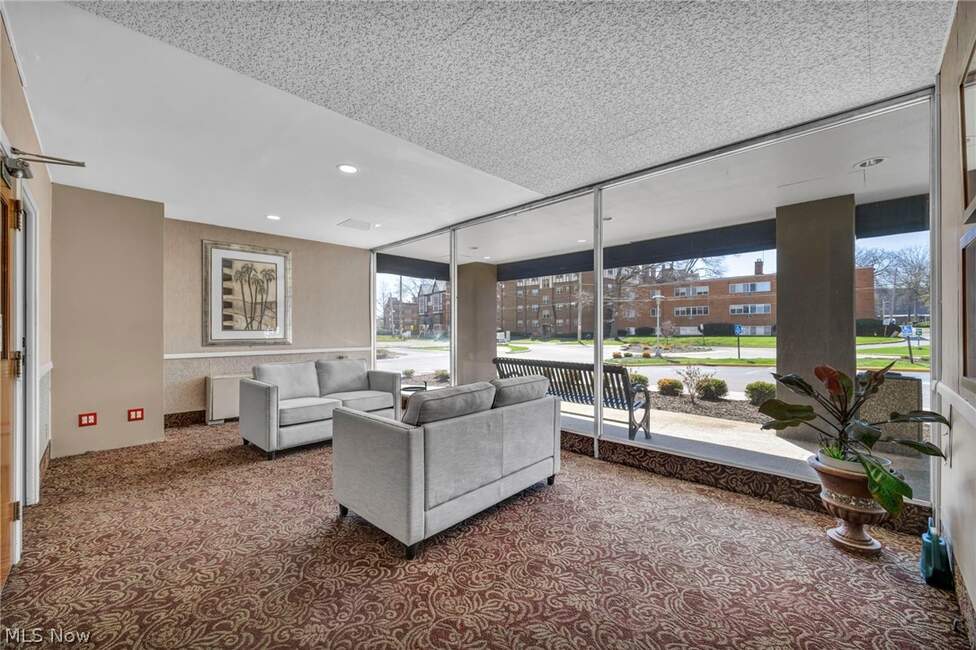
Tour the route to the home as well as the rooms.
This checklist concentrates on showing logistics and common spaces. For room layout, furniture fit and everyday use, pair it with our general home-tour guide. For ownership responsibilities and association records, use the condo-document checklist.
Set up the arrival before you get there.
Ask your agent which entrance to use, where visitors should park and how your showing party will meet. A listing’s reference to a garage space does not, by itself, tell you where to park for a showing or establish an owner’s parking assignment.
- Confirm the address, unit number, meeting place and appointment time.
- Ask about visitor entry, parking and any check-in instructions.
- Explain any access needs early so the showing route can be arranged.
- Bring measurements for large belongings, plus a way to make dated notes.
Keep the plan specific to this appointment. Do not assume that arrangements at one building apply to another, or that a guest, delivery or move-in follows the same process as a showing.
Follow the route you would actually use.
With your agent, notice the transition from the entrance to the lobby, elevator or stairs, corridor and residence. Consider an ordinary arrival with groceries or a larger item. Ask where deliveries and packages are handled and which spaces are available to residents, guests or service providers.
- Identify the visitor route separately from an owner’s usual arrival.
- Ask about elevator access and any arrangements for moving larger items.
- Locate the laundry or other facilities relevant to your routine.
- Separate what you can see from rules or entitlements that need documents.
A showing is a limited view of the building at one time. An easy arrival that day does not establish typical elevator waits, parking availability or noise levels. Record the question and ask how to investigate it further.
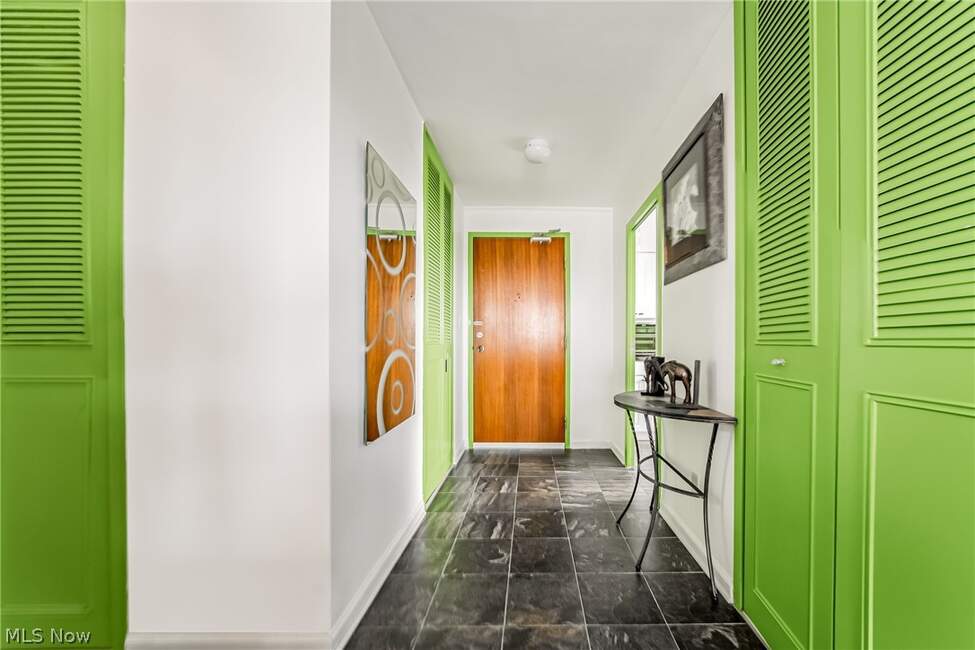
Keep the actual viewpoint in your notes.
Move through the rooms, then pause at the windows. Note which room you are in and when you visited. Compare the actual outlook with listing photographs, distinguishing unit views from pictures taken on a shared rooftop, terrace or elsewhere in the building.
Listen and observe without turning one short visit into a performance test. Questions about windows, ventilation, sound, maintenance or planned work deserve an answer from the appropriate records or qualified professional. Ask your agent whether another permitted visit would help with a question that depends on time or conditions.
- Write the room and time beside observations about light or outlook.
- Measure important furniture routes and clearances with permission.
- Ask before taking photographs; respect occupants’ belongings.
- Keep questions about condition separate from personal preferences.
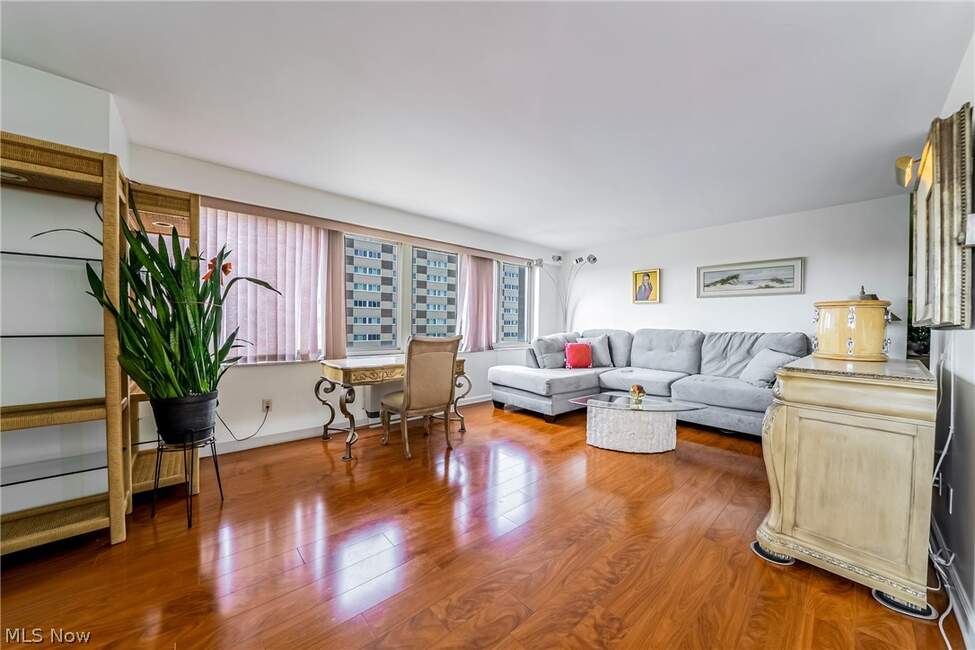
Leave with three short lists.
Observed
Record what you actually saw, where you saw it and the visit date. Keep the notes useful enough to compare with another showing.
To confirm
List questions about parking, common facilities, rules, inclusions, maintenance and ownership responsibilities. Identify the documents or person needed for each answer.
Next step
Choose the follow-up that would resolve the uncertainty: a measurement, another permitted visit, association records or appropriate professional review.
A showing helps you organize a decision. It does not replace an inspection, document review or advice appropriate to your circumstances.
Put the checklist beside Unit 901.
For a specific Lakewood example, explore the Unit 901 property page at Marine Towers East. Its captions distinguish photographs of the residence from shared building spaces. Our property perspective adds context about the building’s shared spaces and the questions to bring to a visit.
View Unit 901 →Plan a conversation with Scott ↗