
Just as we were about to publish this month’s newsletter, I was driving down Madison through Lakewood and noticed something that caught me off guard. Gas prices were climbing past $4, some as high as $4.27.
It’s easy to look at something like that and start connecting it to everything else going on in the economy, in politics, and in the world. And in real estate, we sometimes call that noise. Most of the time, it is.
But every now and then, the noise becomes something more real, more personal. Because when costs shift—even something as simple as prices at the pump—buyers start to think differently.
And that’s where this month’s HomeTown starts.
In this issue’s feature story, I’m sharing the secret sauce sellers need in any economy, no matter what’s going on in the world, and it starts with buyers. How they think. What they’re looking for. What helps them connect with a home, and what causes hesitation.
Because whether it’s interest rates, insurance, taxes, or even gas prices, those monthly costs—and sometimes world events—are part of the decision.
You’ll also find a look at a few local events happening around Northeast Ohio that I thought were worth sharing. As always, I’ll bring you up to speed on market trends, along with a few practical home buying and selling tips.
Our preferred lender, American Pacific Mortgage, is back this month with their insider tips as well.
And if you love free coffee, you’re invited to join me at Coffee Confessions, held every first and third Thursday at GoodKind Coffee on Madison Avenue at 8:30 a.m. It’s a casual way talk through what’s really happening in the market.
We also have a link to our monthly home buying and selling webinar, live on Facebook every third Thursday at 7 p.m.
And finally, I’ll tie it all together. April showers, May flowers, and yes, even gas prices, and our secret plan to use the emotional reactions to these changes to the benefit of our clients, buyers and sellers alike.
Oh, and I’ll throw in my May gardening tips as well.

Our Secret Sauce: Think Like a Buyer. Sell Like an Expert.
By Scott Carpenter, The Carpenter Group
The best results come when a seller sees their home the way buyers do and understands how it stacks up against the competition in today’s market.

There are all kinds of buyers and all kinds of sellers. And more often than not, they are the same person at different points in time.
A seller will often believe their home is worth a certain price, while at the same time, as a buyer, they are expecting a deal.
As for first-time buyers, they tend to tie prices back to what they are currently paying in rent. That monthly number is a good starting point. It helps establish what feels comfortable. But it is only part of the picture.
What matters just as much is understanding what that monthly payment translates to in terms of price point and what is actually available in the market at that level.
There is always a balance.
No matter who the buyers are, they should be excited about the process, but they also need to be pragmatic. That means being realistic about what they can afford and what that budget will get them in today’s market.
So what does that mean in the real world?
If you are selling, you need to think like a buyer.
If you are buying, you need to think like a seller.
That’s where better decisions begin.
Over the past few years, the Carpenter Group made a very intentional decision to focus heavily on buyers.
Inventory was tight. Listings were down. Competition among agents for those listings increased. At the same time, people still needed to move. Life changes continued regardless of what the market was doing.
So, while we continued to take listings, the focus shifted to buyers.
Working with a high volume of buyers creates a different kind of expertise. The agent begins to see patterns in how buyers think, where they hesitate, and what ultimately gives them the confidence to move forward.
That experience matters.
Because every successful negotiation begins with understanding the motivation of the other side. A strong listing agent is not just someone who markets a home. The agent must understand buyers just as well, if not better, than anyone else involved in the transaction.
That is where the real advantage begins.
When a realtor sits down with a seller, the conversation should not begin with price. It should begin with motivation.
Why are they moving?
Where are they going?
What needs to happen for this to feel like a successful move?
Every situation is different. Some are downsizing. Some are upsizing. Some are relocating for work. Others are simply ready for a change. Understanding that first shapes every decision that follows.
From there, the conversation shifts to the buyer.
The agent walks through the home and helps the seller see it through a different lens. What will a buyer notice first? Where will they pause? Where might they hesitate or feel uncertain?
These are not always easy conversations, but they are necessary.
A good agent will speak candidly about what can be improved, what may need attention, and what happens if nothing changes. If a seller chooses to keep things as they are, that is completely fine. But the agent’s role is to prepare them for how the market is likely to respond so there are no surprises later.
I had a client recently who wanted to keep things simple. There was no interest in making updates or putting additional money into the home. They had a number in mind and felt confident about it.
We talked through it in detail. I shared how buyers would likely react, what kind of feedback we might hear, and how that could affect both timing and price.
But that conversation does not happen in a vacuum.
A good agent is not only thinking about buyers. The agent is also looking closely at the market and at the competition. Sellers need to see where their home fits in real time, not in theory.
So we walk through that together.
We look at the homes that are currently on the market and will be in direct competition. We look at the ones that just came on and are getting attention, and we look at the ones that are NOT selling. We compare them side by side so the seller can see what buyers are seeing and how their home stacks up.
We talk through those differences candidly.
Why are some homes getting showings and offers right away?
Why are others sitting with little activity?
That is where experience comes in. Those conversations are not based on guesswork. They are based on real situations, on what buyers have said in similar homes, on why they chose one property over another, and why they passed on others.
The goal is to help the seller see their home through the lens of the current market and through the eyes of a buyer at the same time.
Once the home hit the market, the response followed a very familiar pattern. The feedback was consistent with what we had discussed, and over a short period of time the pace of showings slowed while interest began to taper.
At that point, we initiated Plan B. Yes, in this case we had a Plan B. Selling like an expert includes having a Plan B.
The seller made a few targeted improvements, nothing excessive, just enough to address the concerns buyers were having. We also adjusted the price so it better reflected the condition of the home and the reality of the market.
From there, things changed. Activity picked up again, and the home sold.
That outcome was not a surprise. It was the result of understanding both the buyer and the market, and positioning the home accordingly.
Most buyers walk into a home trying to answer one simple question. Can I see myself living here?
They are not thinking about what the seller has done over the years or what the home means to seller personally. They are thinking about how it fits their life, their family, their budget, and their expectations.
An experienced agent has seen this play out hundreds of times. The goal is not to show as many homes as possible. The goal is to understand people well enough to guide them to the right one.
This is a business, and the expertise that comes with experience has value to sellers.
Selling like an expert means bringing all of this together.
It means understanding buyers at a deep level. It means having honest conversations with sellers, even when those conversations are not easy. It means positioning and marketing a home in a way that connects with the right audience. And it means negotiating with a clear understanding of what matters to the other side.
At the end of the day, there are three things that sell a house.
Location, condition, and price.
Every successful sale is about aligning those three with what buyers are seeing and how they are making decisions in the moment.
Think like a buyer.
Sell like an expert.
That is how sellers put themselves in the strongest position when it is time to move.

Move Fast or Miss Out
Lakewood
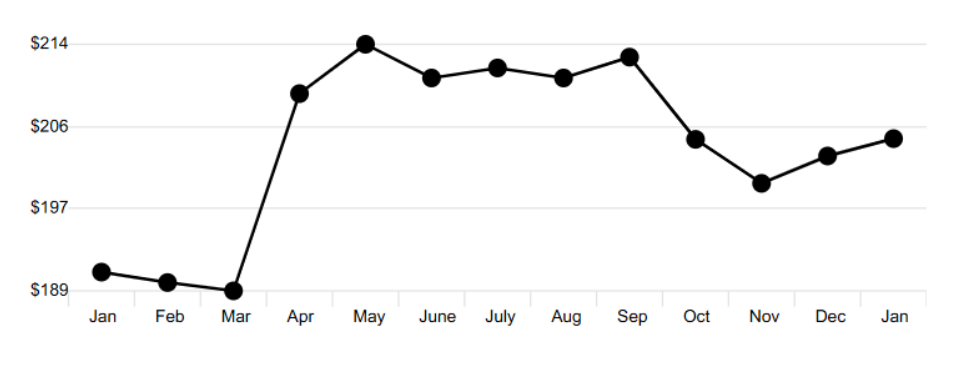
Lakewood has 1.88 months of inventory, up 9% month over month and 13% year over year. Median sold price is $360,500, up 10% month over month. Median days on market are 8, down 43% month over month.
The Impact: Increased inventory combined with faster sales creates pressure for buyers and sellers to coordinate timing precisely. Rapid pricing and speed of sales keep the market highly competitive.
Action Plan: Monitor pricing trends closely. Act quickly on opportunities. Coordinate buying and selling timelines carefully.
Shaker Heights
Shaker Heights has 1.94 months of inventory, up 27% month over month and 32% year over year. Median sold price is $284,900, down 61% month over month. Median days on market are 46, down 21% month over month.
The Impact: Rising inventory gives buyers more options, while declining prices shift leverage in negotiations. Faster sales still require strategic timing.
Action Plan: Analyze inventory and pricing trends. Price competitively based on recent sales. Move quickly when opportunities arise.
Cleveland Heights
Cleveland Heights has 1.31 months of inventory. Median sold price is $188,500, down 9% month over month. Median days on market are 60, up 140% month over month.
The Impact: Limited inventory with longer selling times creates mixed conditions. Buyers may gain negotiation power, while sellers must adjust expectations.
Action Plan: Plan timelines carefully for buying and selling. Price strategically based on current trends. Use market data to negotiate effectively.
Cuyahoga County
Cuyahoga County has 1.62 months of inventory, down 2% month over month and 10% year over year. Median sold price is $223,000, up 3% month over month. Median days on market are 17, down 39% month over month.
The Impact: Declining inventory and faster sales increase competition. Timing becomes critical for buyers and sellers navigating both sides.
Action Plan: Align buying and selling timelines. Price based on recent comparable sales. Stay alert for new listings and act quickly.
Lorain County
Lorain County has 1.47 months of inventory, down 5% month over month and 9% year over year. Median active list price is $305,900. Median days on market are 18.
The Impact: Low inventory and fast-moving homes require strong timing and positioning. Both buyers and sellers must act decisively.
Action Plan: Align buying and selling strategies. Price competitively to match market trends. Monitor market changes and adjust quickly.

Whether buying or selling, preparation makes all the difference. Here are quick tips to make smarter offers and get the most from your home sale.
“TIPS FOR HOME SELLERS”
“TIPS FOR HOME BUYERS”

Think Like a Buyer
What Would I Pay
What’s Wrong With This
Will This Resell Later
What Am I Missing
Is Price Justified Here

Sell Like an Expert
What Buyers Fear Most
What Adds Perceived Value
What Justifies This Price
What Removes Buyer Doubt
What Creates Urgency Now

Think like a buyer. Sell like a pro.
In real estate, the difference between a smooth, successful transaction and a frustrating one usually comes down to perspective.
Most buyers focus on what they want.
Most sellers focus on what they have.
But the strongest outcomes happen when both sides understand something deeper:
The best results come when you think like a buyer—and sell like an expert.
This approach isn’t complicated, but it takes a clear understanding of the situation, a plan, and the right advice. When done correctly, it creates better decisions, stronger offers, and
cleaner outcomes for everyone involved.

Why Buyers Need to Think Beyond the Search
It’s easy to get caught up in listings, photos, and features. But successful buyers look beyond the surface. They ask better questions:
Does this home fit my long-term plan?
How will this property perform over time?
What are the real costs of ownership?
Is this a smart financial move, not just an emotional one?
Thinking like a buyer means balancing emotion with strategy.
Yes, the home has to feel right. But it also has to work financially. The strongest buyers understand their numbers, their options, and their long-term goals
before they ever make an offer.
That preparation creates confidence—and confidence wins in competitive situations.
Why Sellers Need to Step Into the Buyer’s Mind
Many sellers approach the process based on what their home means to them. While that’s completely understandable, buyers see things differently. They evaluate:
Condition
Pricing relative to the market
Layout and functionality
Overall value compared to other options
Sellers who succeed are the ones who step outside of their own perspective and ask:
“If I were the buyer, how would I view this home?”
That shift changes everything. It leads to smarter pricing, stronger presentation, and a better understanding of what actually drives offers. It also reduces time on market and increases the likelihood of clean negotiations.
Where Most Transactions Break Down
The gap between buyer expectations and seller expectations is where deals get stuck.
Buyers hesitate because they’re unsure.
Sellers hold firm because they’re attached.
And without alignment, momentum slows.
This is where experience and structure matter. When both sides understand the finances and the plan, the process becomes smoother. Decisions are made faster. Negotiations become cleaner. And outcomes improve.
The Role of Financing in Bridging the Gap
One of the most overlooked parts of this process is how financing influences both sides of the transaction.
For buyers, it’s not just about getting approved. It’s about:
Understanding true purchasing power
Structuring the loan for long-term success
Knowing how to compete when the right home appears
For sellers, financing matters because:
A well-qualified buyer reduces risk
Strong pre-approvals lead to smoother closings
Clean financial structure minimizes surprises
When financing is clear and well-structured, it removes uncertainty and uncertainty is what often kills deals.
How This Strategy Creates Better Outcomes
When buyers think strategically, and sellers position their homes correctly, several things happen:
Buyers make stronger, more confident offers
Sellers attract more serious interest
Negotiations become more productive
Transactions close with fewer surprises
The process feels less reactive and more controlled.That’s the difference between hoping a deal works out and setting it up to succeed.

Sell Now, Move Later Home Sale
Sell Now and Move Later! ✅
Gain access to the equity of your home now and rent back your home monthly for up to 12 months.
Get started by simply requesting an offer and instantly see your cash offer price and monthly rent-back rate.
Find out now!

Coleman & Trillow and Associates

Their story starts with a vision—and the right guidance helps turn it into reality.
It begins with an idea of how life is supposed to unfold. Then life moves fast. Over the years, people work hard, hit milestones, and reach a point where it finally feels like they’ve made it—traveling, growing, and enjoying the season they’ve built.
But before they know it, 20 years have passed. What do they have to show for it? Is it everything they once imagined?
At Coleman, Trillow & Associates, they remove the guesswork from the future. Clients are paired with a dedicated thought partner who helps define what’s possible—and map out the steps to get there. They go beyond financial advising. They become trusted advocates focused on understanding what truly matters and building a plan around it.
Life doesn’t have to just happen. With the right guidance, it can be intentionally built.


You know the old adage, April showers bring May flowers!
Well, this April, yes, we had the showers, and we had some stormy weather in the economy. Just as we are about to leave April, local and regional gas prices jumped to more than $4.
So what does that mean for May?
Are we about to see more of the same, just more deeply rooted in uncertainty? Or will May turn out to be a month of hope for the future?
I don’t have a crystal ball, but I do have more than 60 years of experience living through the ups and downs of both the economy and the seasons. Change is inevitable, and what can happen will happen.
And finally, I also know this:
While April showers will always bring May flowers, they also bring weeds and more work in the garden. And if that work is done well, with patience and perseverance, the flowers will win out, growing stronger and more robust over time.
The same is true with everything that changes.