One asking price.
A fuller monthly picture.
A useful home comparison starts with the costs behind the headline number.
The whole monthly picture.
Keep the date, source and assumptions with every estimate.
Compare the same set of costs for every home.
An asking price gives you one number. To compare homes, create the same monthly-cost list for each property and mark which figures are confirmed, estimated or still missing.
The Consumer Financial Protection Bureau includes principal and interest, property taxes, homeowners insurance, any required mortgage insurance, applicable supplemental insurance and association fees in a total monthly home-payment review. Taxes and insurance may change. Keep room in your budget for maintenance, repairs and utilities as well.
You do not need a perfect estimate before your first showing. You do need to know which unanswered questions could change the comparison.
Five lines worth checking.
Loan payment
Ask your lender for a property-specific estimate of principal and interest. Label the loan amount, down payment, term and rate assumptions so you can compare estimates consistently.
Taxes and insurance
Request the figures used in the estimate and a current insurance quote. Check whether taxes and insurance are included through escrow or shown separately; count each expense once.
Association costs
For a condo or other association property, confirm current regular dues, what they cover and any assessments. HOA dues are usually paid to the association separately from the mortgage payment.
Utilities and services
List the services you expect to pay for. Ask what is included elsewhere before adding it again. Prior bills can offer context, but your usage may differ.
A plan for upkeep
Keep a separate allowance for repairs and maintenance. Connect that plan to the home’s condition and the responsibilities you will actually have. A smaller loan payment alone does not tell you what future upkeep will require.
Keep the assumptions beside the number.
Give each estimate a date and a source. When a figure is missing, write “pending” and name the person or document that can resolve it. A blank space is more useful than a guessed amount that looks confirmed.
Use the same financing assumptions when comparing two properties. If a different down payment or loan structure changes the estimate, label that change so you can see what is driving the difference.
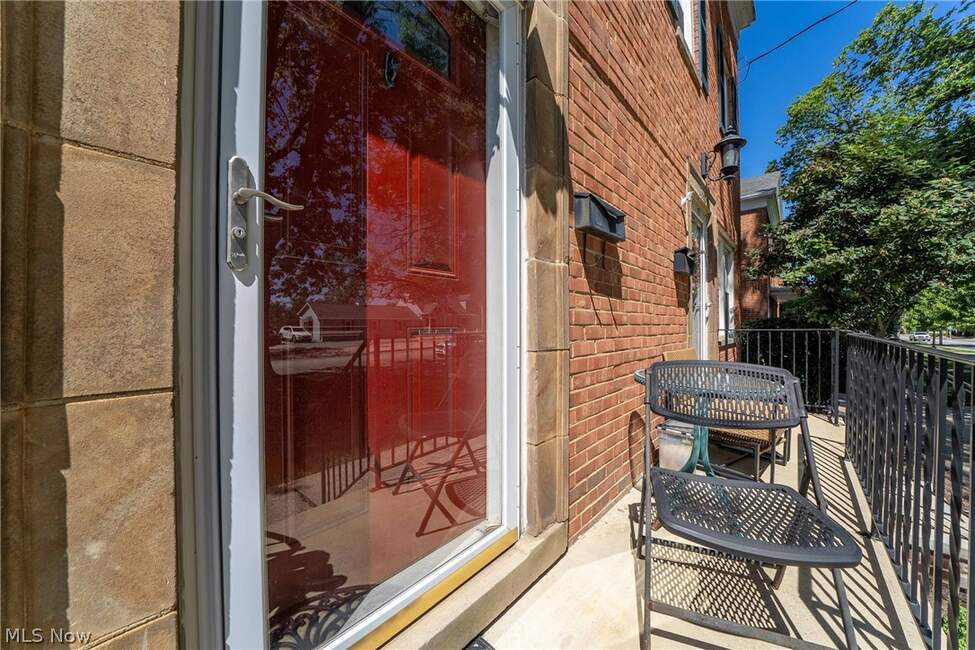
Pair the rooms with the ownership details.
For 2684 Wooster Road, start with the current listing and request the association documents before treating any dues or shared maintenance arrangement as settled. This guide does not quote the property’s dues, taxes or insurance cost.
The condo document checklist helps organize the information behind those costs. Our financing page gives you another place to begin the lender conversation.
Keep cash to close on a separate page.
The money needed to complete the purchase and the ongoing monthly budget serve different purposes. Put your lender’s cash-to-close estimate beside your monthly comparison, with its own assumptions and date. Our cash-to-close guide introduces that part of the process.
Official readingGeneral planning guidance. Confirm property-specific costs and financing terms with the appropriate professionals.
Bring your questions.
We’ll help connect the pieces.
Start with the 2684 Wooster Road property page and our closer look at its brick character and practical spaces. For current availability, a showing or help with your broader Northeast Ohio search, talk with Scott.
THE CARPENTER GROUP HOMES · Keller Williams Greater Metropolitan